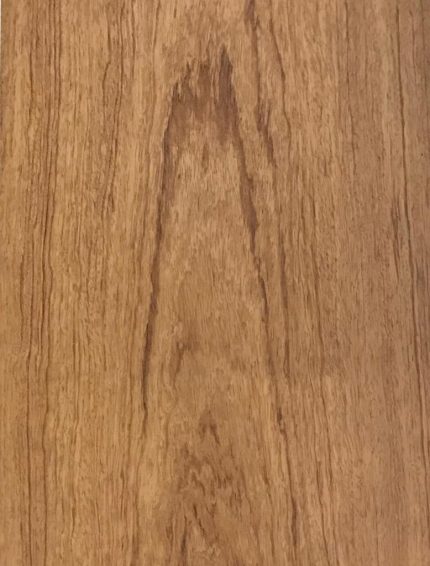
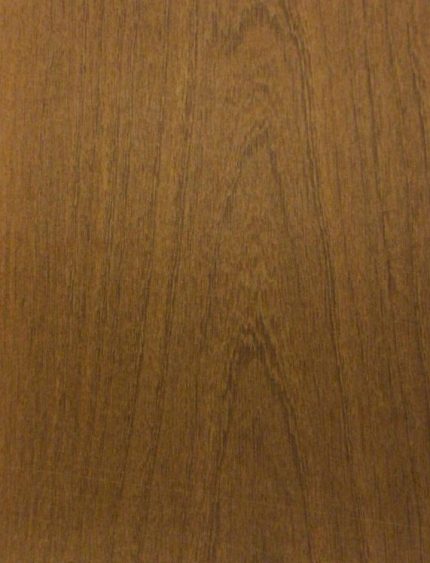
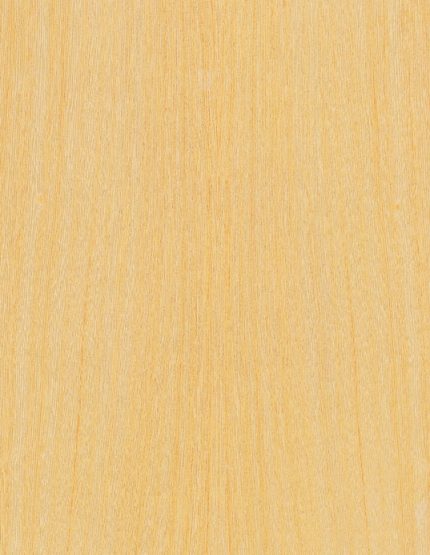
The wood can be easily worked with all tools. The knife edges are not damaged by mineral deposits.
But, Drying must be controlled very carefully and evenly, as the wood tends to warp and crack easily.
Sycamore works easily with both hand and machine tools, though the interlocked grain can be troublesome in surfacing and machining operations at times.
Sycamore turns, glues, and finishes well. Responds poorly to steam bending.
Very good veneer wood, exclusively sliced wood for face veneer.
Preferred as fitting wood in interior design and for furniture.
Good and light qualities are constantly sought after but are becoming increasingly difficult to find due to the high demand. Also very sought after as sawn wood.
Tiny knots in the grain resemble small bird’s eyes.
The figure is reportedly caused by unfavorable growing conditions for the tree.
The tree attempts to start numerous new buds to get more sunlight, but with poor growing conditions the new shoots are aborted, and afterward, some tiny knots remain.
High-quality interior fittings and series furniture, paneling, and parquet.
Also well suited for musical instruments.
Despite its hardness, the wood is relatively easy to work with. However, the use of carbide-tipped tools is recommended.
Veneer wood, sliced wood for face and interior veneers, and rotary cut wood for plywood panels.
Used more as interior veneer in the furniture industry.
Most common species of tree in the world.
Its subspecies are found from the Arctic Circle to the mountain regions in the tropics.
The most used species for the production of veneer in central Europe are the common pine and in southern Europe the maritime pine.