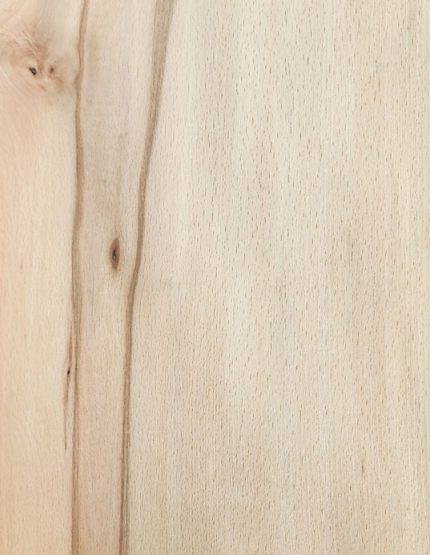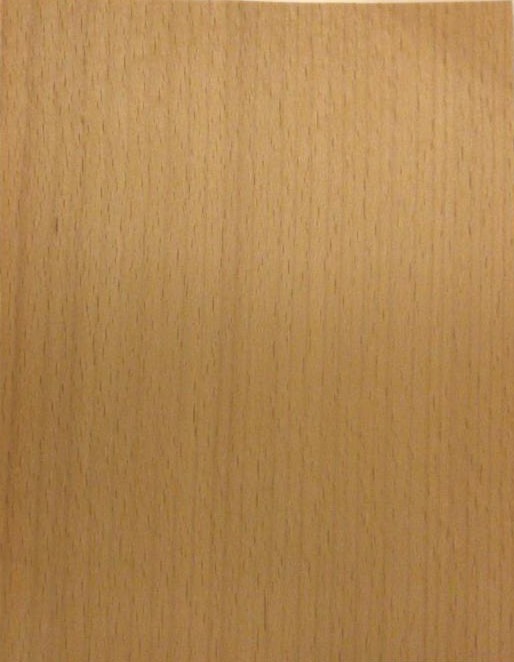
V001 – BEECH QUARTER
White-reddish to reddish-brown, often forming a brown core with age.
In some areas, beech tends to have high tension, often also waviness during veneer production due to irregular annual ring formation (so-called hard years).
Common dark spots and splashes reduce the value.
Categories: Natural Veneer, Wooden Veneer
Description
The inherent beauty of Natural veneer lies in its ability to showcase the natural grains, textures, and patterns of different species of wood.
Related products
V002 – RED OAK CROWN
V004 – MAPPA BURL
V006 – ZEBRANO
V013 – EBONY BLACK
It is used in the craft of carvers and sculptors.
It is also very important as veneer and solid wood and in the construction of musical instruments
(e.g. wind, plucked, and string instruments).
In the veneer sector, Ebony is only used in the high-quality project, ship, and aircraft interior fittings
due to its extravagant beauty and high price.
Since each trunk has a different pattern, the products made with them are extremely individual and unique.
V022 – WHITE OAK CROWN
White oak is universally applicable in all areas of the wood-using industry because it is very resistant to external influences.
It is highly valued in the veneer and sawn timber sector due to its expressive structure.
In the USA it is of great importance as barrel wood (whiskey).
It is used as veneer and sawn timber in all areas of the furniture, door, and panel industry as well as the parquet and staircase industry.
V032 – BEECH BACKING
Veneer wood has large dimensions compared to other European woods (60 cm diameter and more),
furniture and parquet wood, chipboard, excellent bending wood (seating furniture), well suited for workbenches, good construction wood.
One of the most common woods in Europe is produced as a veneer in steamed, white, and old white. Since the mid-1990s, beech has been a distinctly fashionable wood in the veneer and solid wood sector.
V034 – EUCALYPTUS
In its simple form – cf. Eucalyptus Pommele, Eucalyptus Riegel – it is rarely used as a front veneer, mostly as a side and interior veneer, because the wood is not very expressive.
In addition to veneer production, eucalyptus is used for ship and vehicle construction, for railway sleepers, and as plantation wood, mainly for paper production.