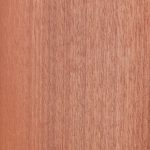
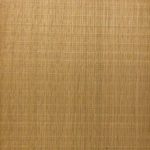
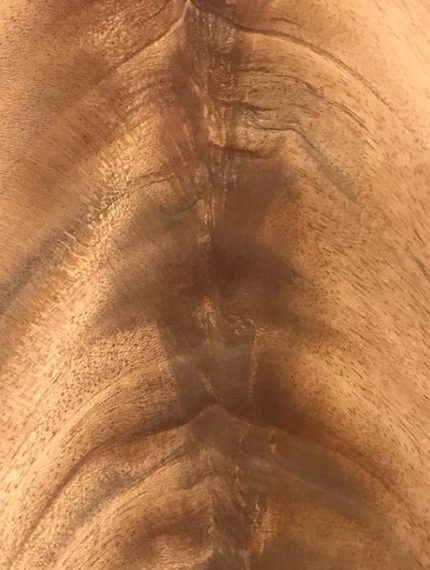
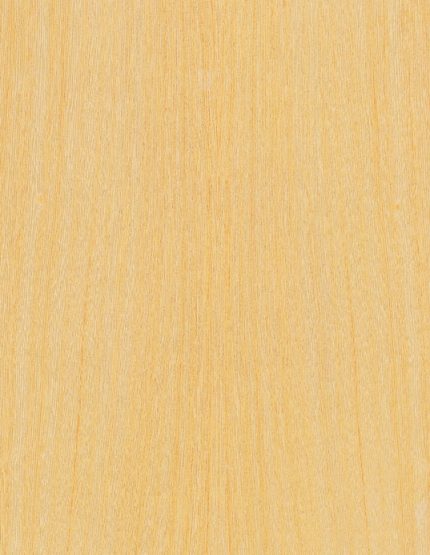
V042 – ANIGRE
Veneer wood is mostly used as interior veneer in Central Europe; if used as front veneer, then as cherry substitute wood. In Southern Europe more often used as a front veneer for series furniture.
Also used in North America for high-quality interior design purposes, but mostly in the planned form.
Special wood for printing and dyeing. In Italy, Spain, and Greece, walnut sapwood substitutes for wood.
Also used for the production of fineline veneers.
Categories: Natural Veneer, Wooden Veneer
Description
Lorem ipsum dolor sit amet, consectetur adipiscing elit. Ut elit tellus, luctus nec ullamcorper mattis, pulvinar dapibus leo.
Related products
V011 – PADUK VENEER
V012 – SYCAMORE QUARTER
V016 – ROSE WOOD CROWN
The heartwood is yellowish, irregularly veined with reddish veins, striped or spotted, and fades when exposed to light and air, but is nevertheless very decorative.
Due to the small diameter, it is often flawed and has cracks in the heart, so it is only suitable for small furniture and inlaid furniture, and rarely for interior design.
V023 – WALNUT BURL
V028 – AFRICAN TEAK
V029 – KOTO VENEER
V032 – BEECH BACKING
Veneer wood has large dimensions compared to other European woods (60 cm diameter and more),
furniture and parquet wood, chipboard, excellent bending wood (seating furniture), well suited for workbenches, good construction wood.
One of the most common woods in Europe is produced as a veneer in steamed, white, and old white. Since the mid-1990s, beech has been a distinctly fashionable wood in the veneer and solid wood sector.
V033 – LACEWOOD
Has a very conspicuous flecking that gives this wood its namesake.
The wood itself is a reddish brown with grey or light brown rays, which result in a lace pattern when quartersawn.
Like other woods that exhibit the strongest figure in quartersawn pieces, (such as Sycamore),
Lacewood has the most pronounced figure and displays the largest flecks when perfectly quartersawn;
this is due to the wood’s wide medullary rays, whose layout can be seen the clearest when looking at the end grain.