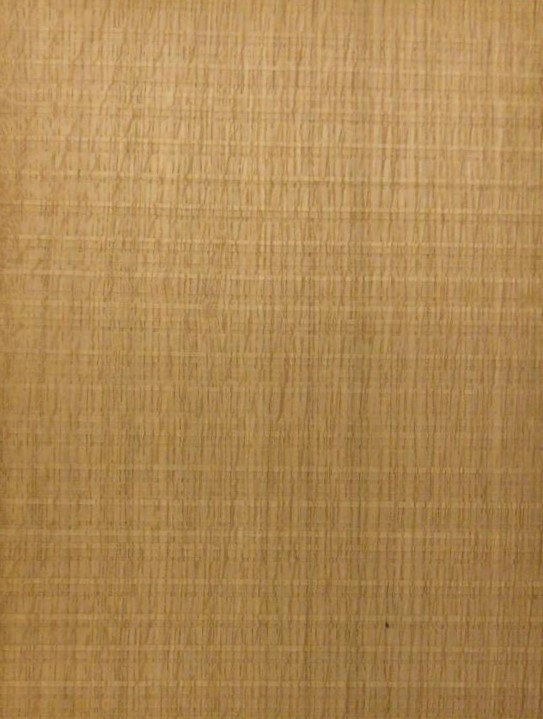
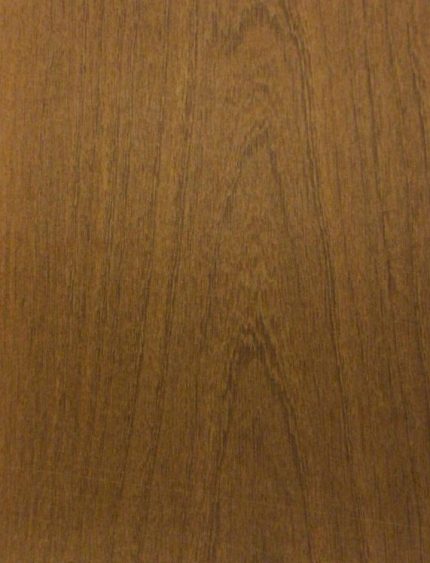
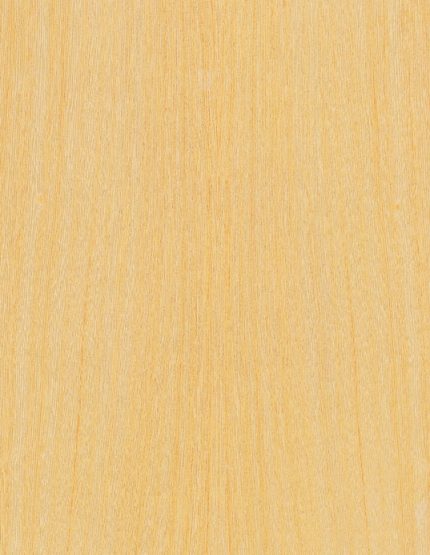
V045 – ROUGH CUT VENEER QUARTER
Due to the strong mixing of the individual species, the color spectrum is broad, from light yellow to dark brown.
Variations to pink are also possible. So-called minerals, dark colorations that appear as clearly defined spots on the surface, are common. In wet wood, blueing is possible due to contact with metal.
Categories: Natural Veneer, Wooden Veneer
Description
Lorem ipsum dolor sit amet, consectetur adipiscing elit. Ut elit tellus, luctus nec ullamcorper mattis, pulvinar dapibus leo.
Related products
V005 – SAPELE QUARTER
V006 – ZEBRANO
V007 – BURMA TEAK QUARTER
V016 – ROSE WOOD CROWN
The heartwood is yellowish, irregularly veined with reddish veins, striped or spotted, and fades when exposed to light and air, but is nevertheless very decorative.
Due to the small diameter, it is often flawed and has cracks in the heart, so it is only suitable for small furniture and inlaid furniture, and rarely for interior design.
V018 – BIRDS EYE MAPLE
Tiny knots in the grain resemble small bird’s eyes.
The figure is reportedly caused by unfavorable growing conditions for the tree.
The tree attempts to start numerous new buds to get more sunlight, but with poor growing conditions the new shoots are aborted, and afterward, some tiny knots remain.
V028 – AFRICAN TEAK
V030 – MAPLE BURL
V032 – BEECH BACKING
Veneer wood has large dimensions compared to other European woods (60 cm diameter and more),
furniture and parquet wood, chipboard, excellent bending wood (seating furniture), well suited for workbenches, good construction wood.
One of the most common woods in Europe is produced as a veneer in steamed, white, and old white. Since the mid-1990s, beech has been a distinctly fashionable wood in the veneer and solid wood sector.