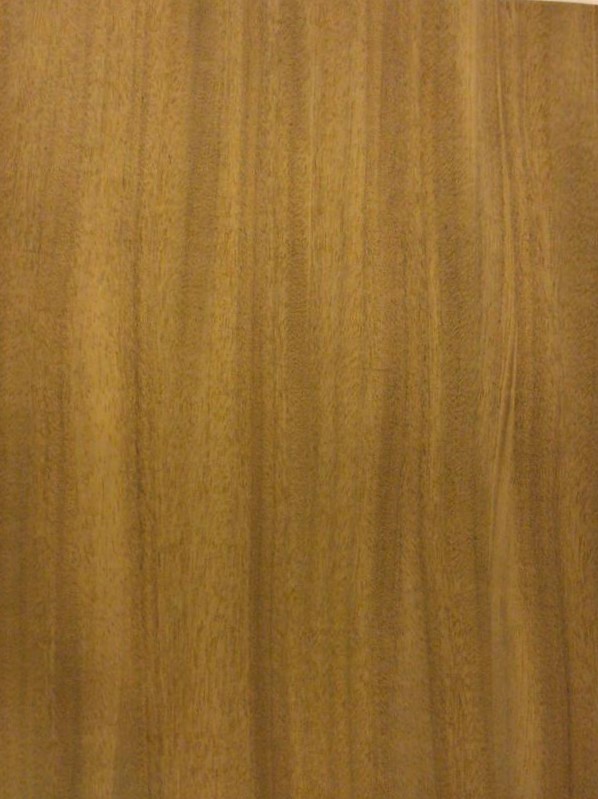
V046 – AFROMOSIA
For exterior surfaces, DD varnishes or open-pored glazes are recommended.
NC varnishes are recommended for interior areas.
A surface treatment should be carried out to prevent reaction stains caused by iron.
Categories: Natural Veneer, Wooden Veneer
Description
Lorem ipsum dolor sit amet, consectetur adipiscing elit. Ut elit tellus, luctus nec ullamcorper mattis, pulvinar dapibus leo.
Related products
V002 – RED OAK CROWN
V012 – SYCAMORE QUARTER
V013 – EBONY BLACK
It is used in the craft of carvers and sculptors.
It is also very important as veneer and solid wood and in the construction of musical instruments
(e.g. wind, plucked, and string instruments).
In the veneer sector, Ebony is only used in the high-quality project, ship, and aircraft interior fittings
due to its extravagant beauty and high price.
Since each trunk has a different pattern, the products made with them are extremely individual and unique.
V014 – WALNUT QUARTER
Highly sought-after and considered high-quality furniture wood for interior design and high-end furniture construction.
Due to its high strength and elasticity, it is also suitable for chair and seating furniture production. Particularly used for gun stocks and aircraft propellers. Traditional wood for piano and grand piano construction.
V015 – CHERRY CROWN
V016 – ROSE WOOD CROWN
The heartwood is yellowish, irregularly veined with reddish veins, striped or spotted, and fades when exposed to light and air, but is nevertheless very decorative.
Due to the small diameter, it is often flawed and has cracks in the heart, so it is only suitable for small furniture and inlaid furniture, and rarely for interior design.
V025 – BIRCH VENEER
V033 – LACEWOOD
Has a very conspicuous flecking that gives this wood its namesake.
The wood itself is a reddish brown with grey or light brown rays, which result in a lace pattern when quartersawn.
Like other woods that exhibit the strongest figure in quartersawn pieces, (such as Sycamore),
Lacewood has the most pronounced figure and displays the largest flecks when perfectly quartersawn;
this is due to the wood’s wide medullary rays, whose layout can be seen the clearest when looking at the end grain.